Why Go Back to Basics?
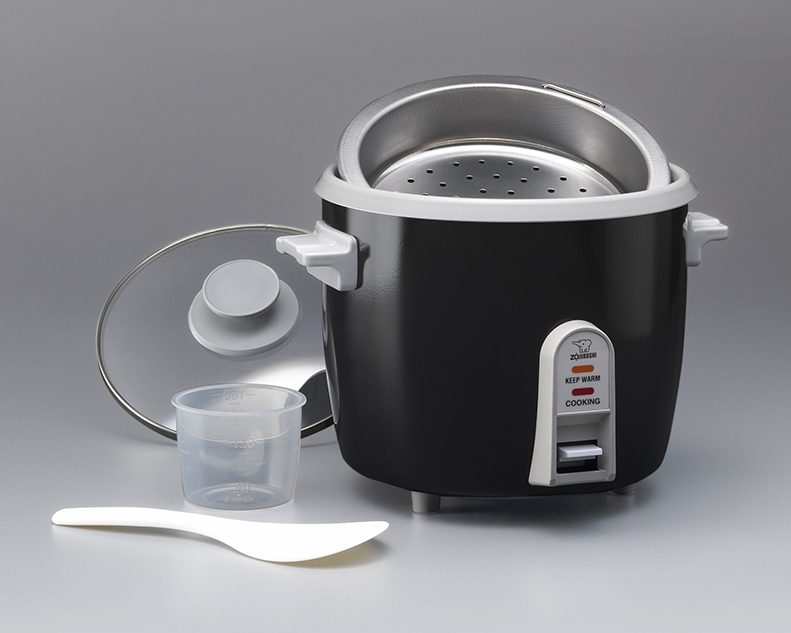
Rice cookers are one of those kitchen tools people rely on constantly, yet rarely stop to think about all of the magic happening inside. Long before touch panels and advanced settings, conventional models were already mastering the art of perfectly cooked rice. These early designs focused on simplicity, reliability, and smart engineering. Understanding how a rice cooker works and where it came from gives you a whole new appreciation for the rice cooker technology we often take for granted today. If you are curious how it all comes together, you are in the right place. Let’s take a closer look together!
How Does a Rice Cooker Work?
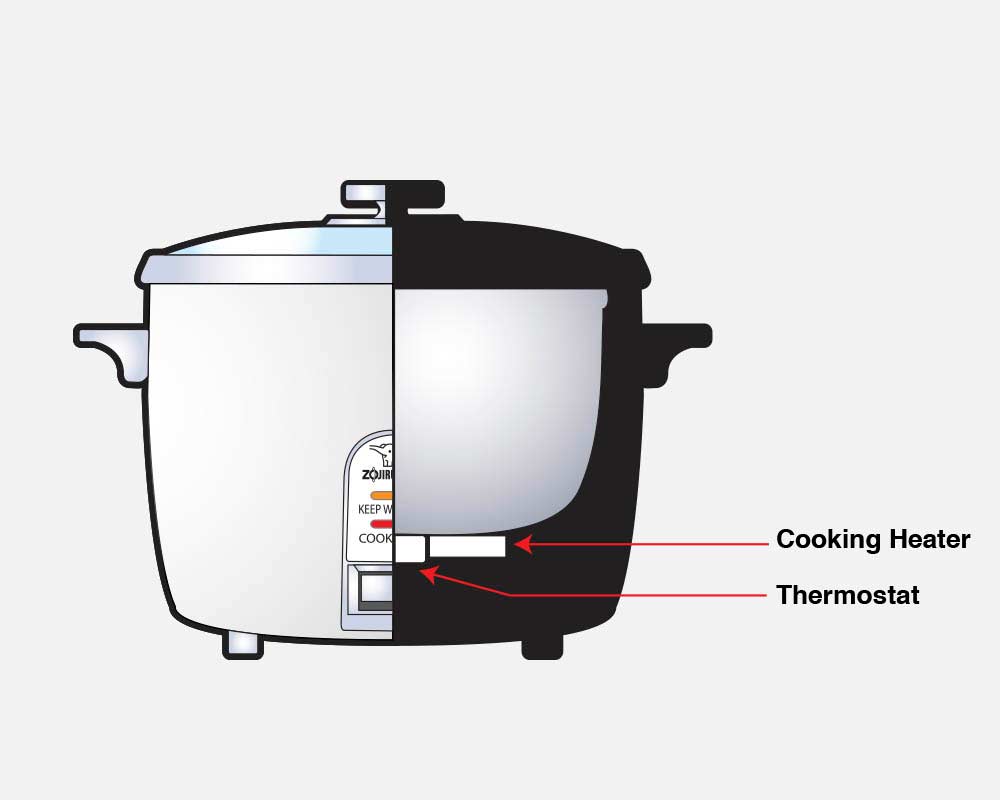
If you have ever asked yourself, “How does a rice cooker work?”, you are not alone. The answer is surprisingly simple and very clever. A conventional rice cooker uses three key components: an inner cooking pan, a heating element, and a thermostat. You measure rice and water into the pan, place it into the cooker, and turn it on. The heating plate warms the pan and brings the water to a boil.
Here is where the smart part of rice cooker technology comes in. As long as water is present, the temperature inside the pan stays at the boiling point. This allows the rice to absorb water gradually and cook evenly. Once the water has been fully absorbed or evaporated, the temperature in the pan begins to rise above boiling. The thermostat detects this change and automatically switches the cooker from cook mode to keep warm or off. That shift happens without any timers or complicated programming. It is all based on temperature, which is why conventional rice cookers are known for being so dependable.
Understanding Conventional Rice Cooker Types: What’s the Difference?
When people talk about rice cooker types, they are often comparing advanced models with more traditional ones. Conventional rice cookers are the classic style. They usually have a single switch or button, an automatic keep warm function, and a removable inner pan. The operation is straightforward, which makes them approachable for beginners and longtime home cooks alike.
These cookers are especially well suited for white rice and other simple grains. Because the system is based on natural temperature changes rather than programmed cycles, the process feels intuitive. Add rice, add water, press cook, and let the appliance do the rest. That simplicity is exactly why conventional models continue to be popular, even as rice cooker technology becomes more advanced.
Zojirushi Rice Cooker History
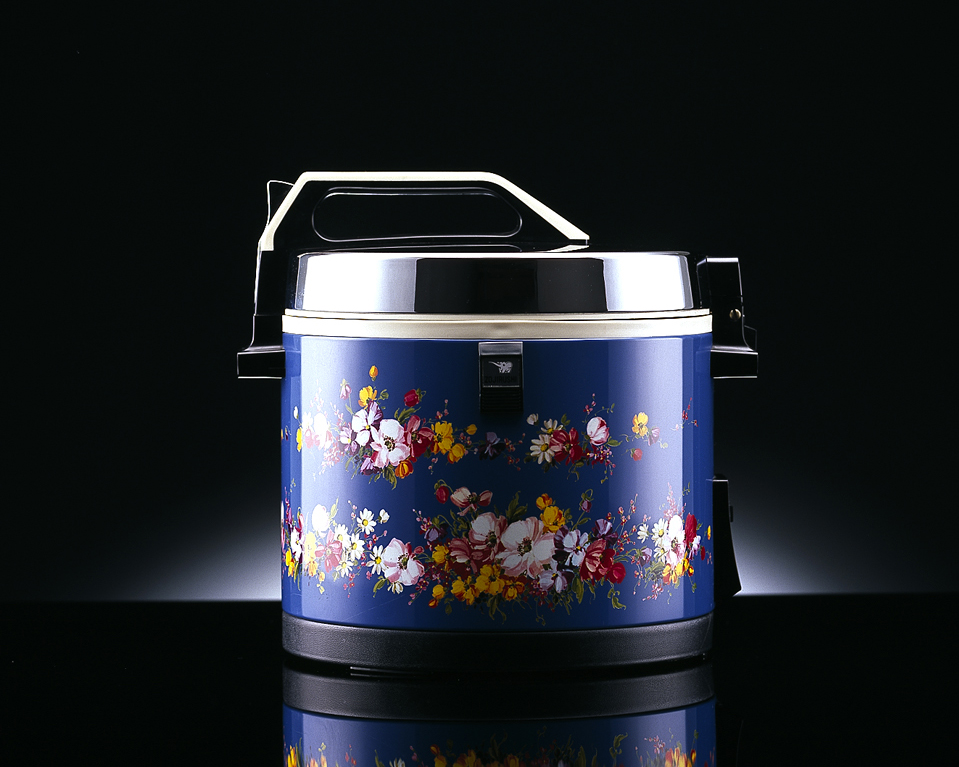
Zojirushi’s journey in rice cooker history is a story of steady innovation, each step building on the last to refine rice cooker technology and expand the range of rice cooker types available to home cooks.
1970 – The Hanagumo Electric Rice Warmer
Zojirushi introduced the Hanagumo, the world’s first electric rice warmer. While not yet a cooker, this breakthrough made it possible to safely keep rice warm for extended periods without sacrificing taste. It marked a turning point in how families could plan meals and laid important groundwork for future rice cooking innovations.
1974 – An Electric Rice Cooker with Automatic Keep Warm
Just a few years later, Zojirushi released an electric rice cooker that could both cook rice and automatically keep it warm. This was a major step forward in rice cooker technology, combining cooking and warming into one convenient appliance and helping define the user experience people now expect from modern rice cooker types.
1983 – Waza Irazu, the First Micom Rice Cooker
Zojirushi continued advancing rice cooker technology with the release of the Waza Irazu, its first Micom (microcomputer controlled) rice cooker. By using a built-in microcomputer to adjust temperature and timing, this model delivered more precise cooking and opened the door to handling different types of rice more effectively.
1985 – The First Multi-Menu Micom Rice Cooker
With the “Iroiro Takeru,” Zojirushi expanded what a rice cooker could do. This model allowed users to select from multiple cooking menus, marking an important moment in the evolution of rice cooker types from single-purpose appliances to more versatile kitchen tools.
1996 – The First Pressure IH Rice Cooker
Zojirushi reached another milestone with its first Pressure Induction Heating rice cooker. By combining pressure cooking with induction heating, this model elevated rice cooker technology even further, improving texture, flavor, and overall rice quality. It represented a new level of control and performance that continues to influence high-end rice cooker types today.
Why Conventional Rice Cookers Still Matter
With so many modern features available today, you might wonder why conventional rice cooker types are still around. The answer comes down to reliability and ease. Fewer electronic components often mean long lasting performance and minimal learning curve. For busy households that cook rice regularly, a straightforward cooker that consistently delivers fluffy results can be more than enough.
Conventional models also highlight the original purpose of rice cooker technology: to remove guesswork. No adjusting stove heat, no worrying about boiling over, and no constant checking. The cooker handles the timing based on what is happening inside the pan, not on an external clock.
From Simple Start to Modern Kitchens
When you look back at the first rice cooker and trace rice cooker history forward, it is clear how influential this small appliance has been. The temperature sensing method developed decades ago still forms the foundation of many designs. Even the most advanced rice cooker types build on the same goal that inspired those early models: make rice cooking easier, more consistent, and more hands off.
So the next time you press the cook button, you will know exactly how does a rice cooker work and why that simple system has stood the test of time. What started as a basic idea in mid-century Japan has grown into a global kitchen essential, all thanks to smart, practical rice cooker technology that puts perfectly cooked rice within reach for everyone.
Ready to put these basics into practice in your own kitchen Share your favorite rice dishes and tag @ZojirushiAmerica on Instagram or Facebook using #Zojirushi #ZoFan!

Leave a Reply